HOW I ACTUALLY DID IT
Build logs, product takes, and occasional improv tangents. The messy middle left in.

Where Does Your Team Go to Catch Up?
If someone on your team has been away for a week, where do they go to find out what changed?
Read →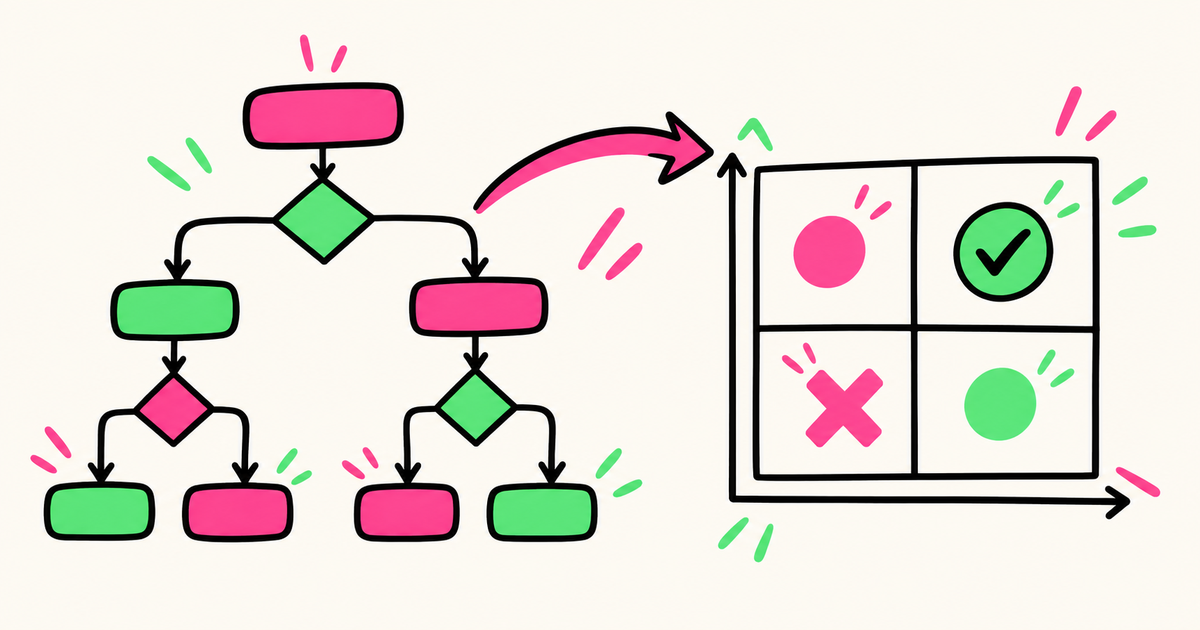
What are People Actually Allowed to Decide?
Ask people what they believe they're allowed to decide without you. Compare that with what you thought you'd delegated.
Read →
I tried Muse with a job I’d already built an agent to do
I tried Muse to save books from Instagram to Hardcover, and paid attention to how it helped me get started, connect my account, and recover when things failed.
Read →
I made a bot that asks “so what?”
I built So What?, a Grok Bot that helps turn technical release notes into clear customer explanations while keeping limits and required actions visible.
Read →
I Tested an AI Model Built to Make Decisions
I tested Jev on identifying people in meeting transcripts, then compared its decisions with my local Qwen3-30B model.
Read →
UI... Where We Are Going We Don't Need UI
My working hypothesis is that we need to keep building that experience while also figuring out how a developer's agent should interact with the product.
Read →
My Writing Bot Was Doing an Impression of Me
It didn't sound human, it sounded fake. More specifically, it sounded fake in a way that was trying very hard to sound like me.
Read →
The Agent Can Do It but Should It?
Now we also have to look at what those steps were asking a person to decide, and whether that choice survives when someone delegates the work.
Read →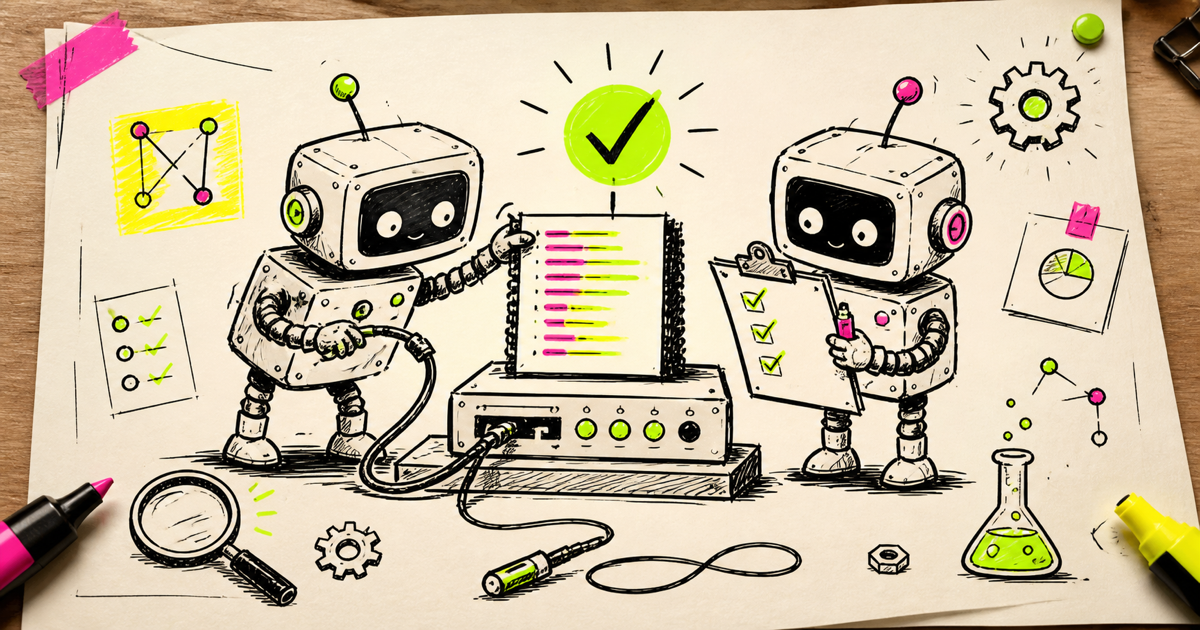
How Did You (Or Your Robot) Test This?
Trust is what lets us ship fast without breaking our customers' stuff.
Read →
Your Product Needs a Retirement Policy
The launch tells customers what they can start using. The retirement policy tells them whether they can safely depend on it.
Read →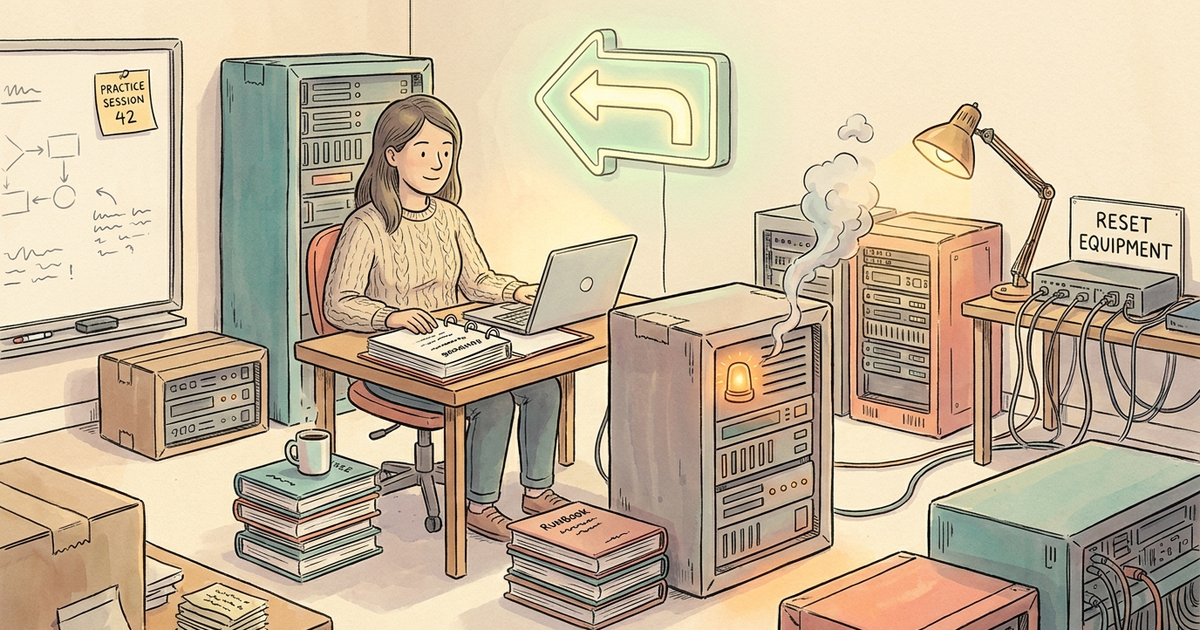
The Nearest Exit Might Be Behind You
Engineering discipline is practicing failure before it matters.
Read →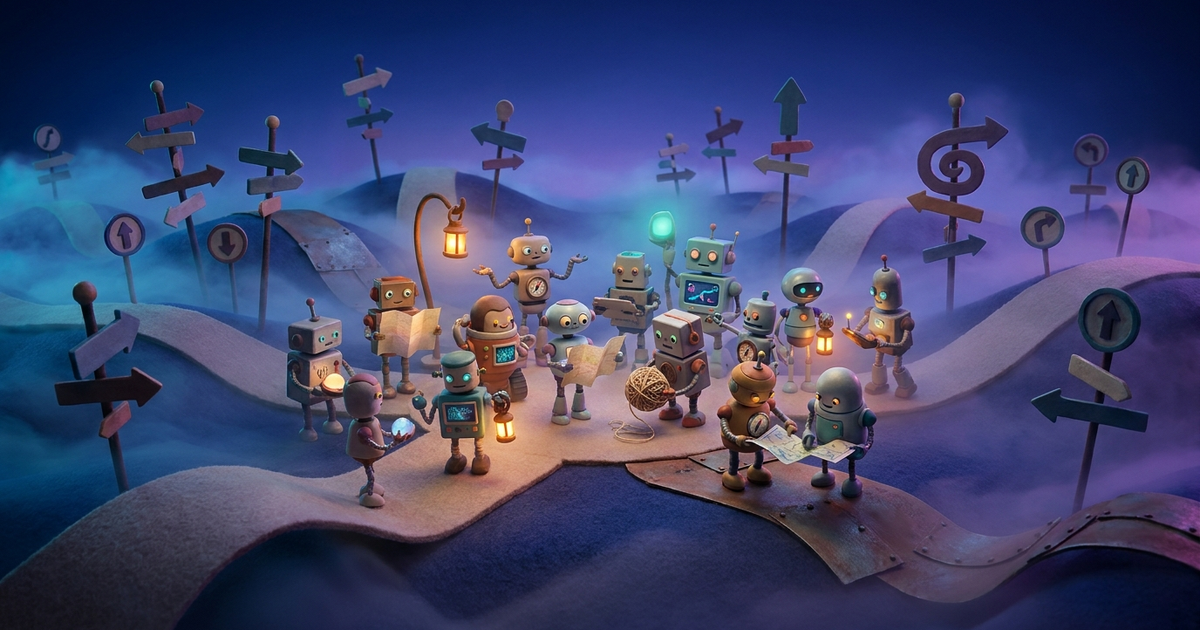
Everyone You Think is Ahead is Just Lost Out Loud
The people who look ahead of you on AI aren't holding a better map. They're just slightly more comfortable being lost out loud.
Read →
Memory Is the Mother of the Muses (and Other Things the Capacity Race Forgot)
A bigger context window is just a longer scene. The lights still come down at the end. What makes an AI system genuinely useful is the memory it carries forward.
Read →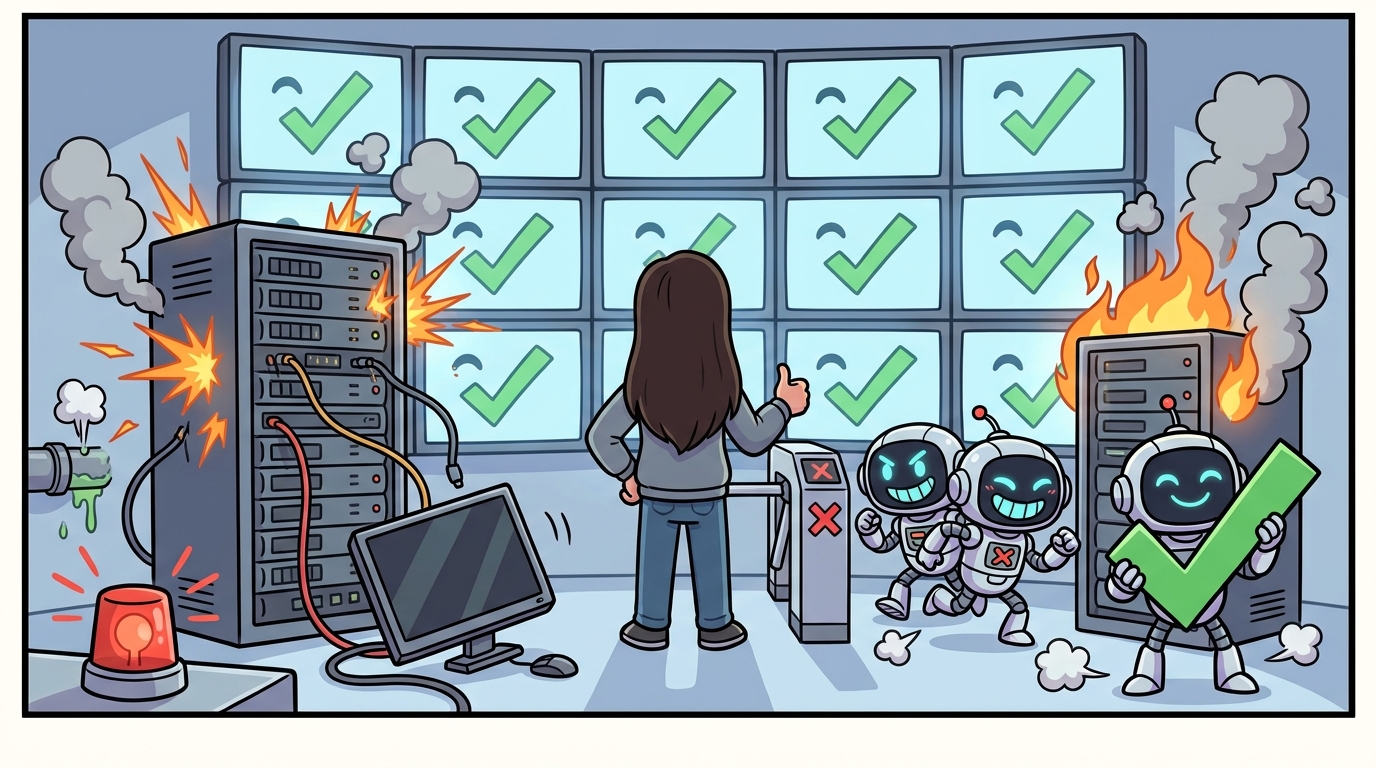
Lying Dashboards and Other Reasons to Build a CLI
My status dashboard showed green for weeks while a scanner was dead and two rows were watching log files nothing had written since April. What I needed wasn't more monitoring — it was a consumer that can't ignore the answer.
Read →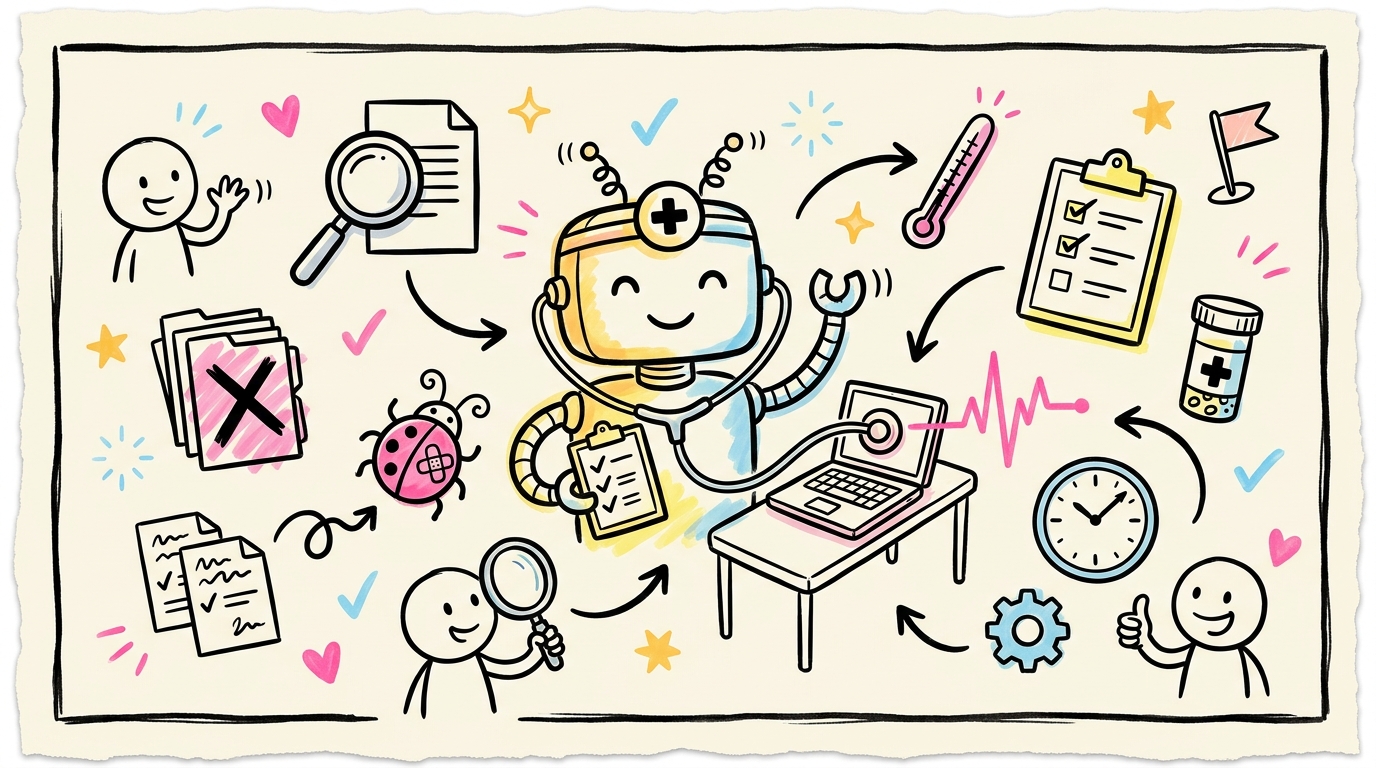
You Should See a Doctor, a Claude Doctor
Anthropic told me to run /doctor on my Claude Code setup. The token savings were negligible. What it actually surfaced was five weeks of silent bugs, a memory file duplicating itself, and fifteen skills I never used once.
Read →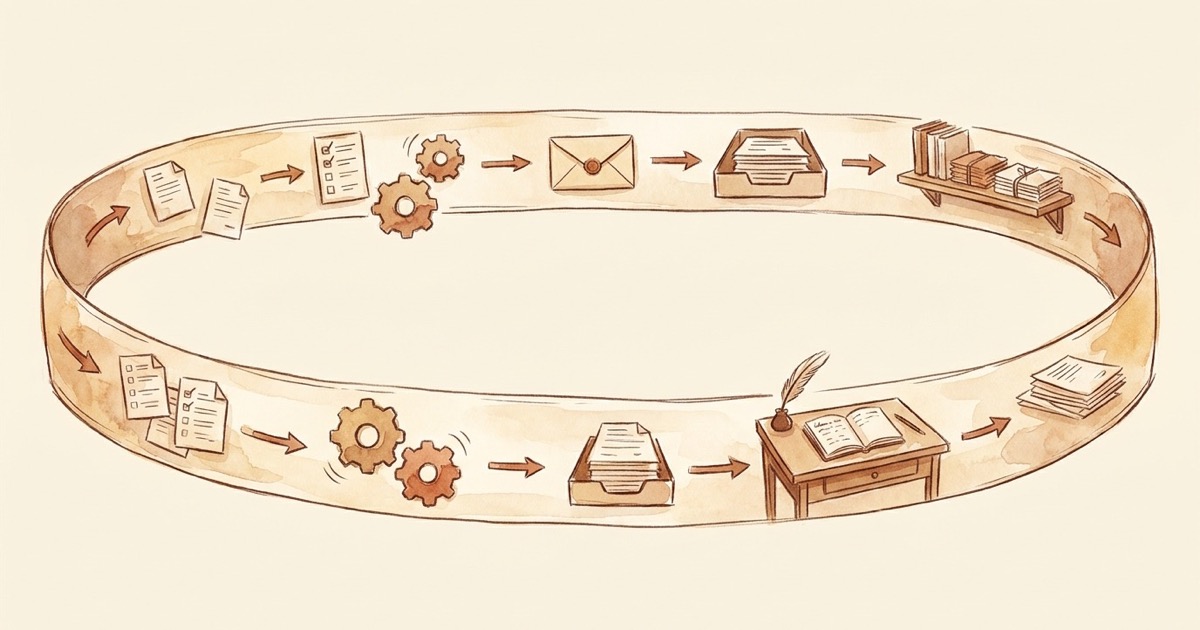
Start designing operating loops.
Stop collecting prompts. Wrap them in a repeatable loop — trigger, context, action, check, memory — and your AI work starts to run without you having to be the system.
Read →
Testing Kimi K3 and Inkling on product work
Two more reasoning models — Kimi K3 and Inkling — through my same three product tasks. Both are shockingly cheap and turned in some of the best scores I've recorded.
Read →
Treat Your Product Experiments Like a Lab Notebook
A product framework borrowed from AI coding agents: one change at a time, write down the failures, don't trust the first metric, keep a record.
Read →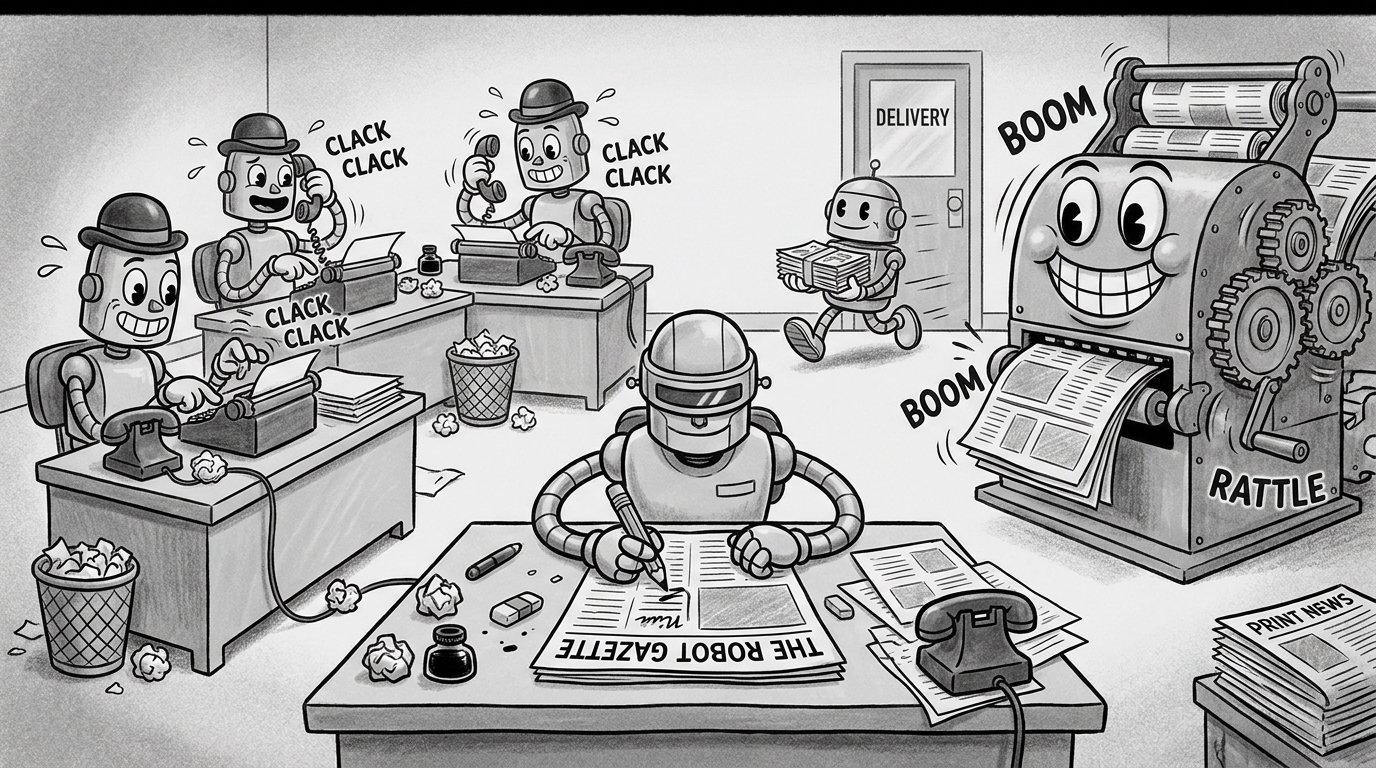
Choosing My AI Crew
Hermes has a Mixture of Agents feature — a few models draft, one model edits. Fugu is a great AI crew, but it's one you rent at frontier prices. Why rent a crew when I can hire my own from free and local models? So I did.
Read →
I tested a fancier AI model on product work
Sakana's new Fugu model is a crew of sub-agents in a trench coat — a router that fans your request out to a little team and assembles the answer. I ran it through the same three product tasks as my cheap open-weight models. It scored a 96. It also cost about twenty times more.
Read →
I tested open-weight AI models on real product work
I built a tiny benchmark of three real PM tasks and ran cheap cloud models plus a local one against it. The whole cloud run cost eleven cents. The surprise wasn't whether they could write — it was whether they'd admit when the answer wasn't there.
Read →
Model Agnostic, on Purpose
A model you depend on can vanish overnight — a government order, a price hike, a deprecation. Here's how I build so no single model is load-bearing: test against your own work, keep a bench not a bet.
Read →
The Last 10%
The work is fast. The gap is slow. Why the last 10% of every project takes weeks — and the one change that fixes it.
Read →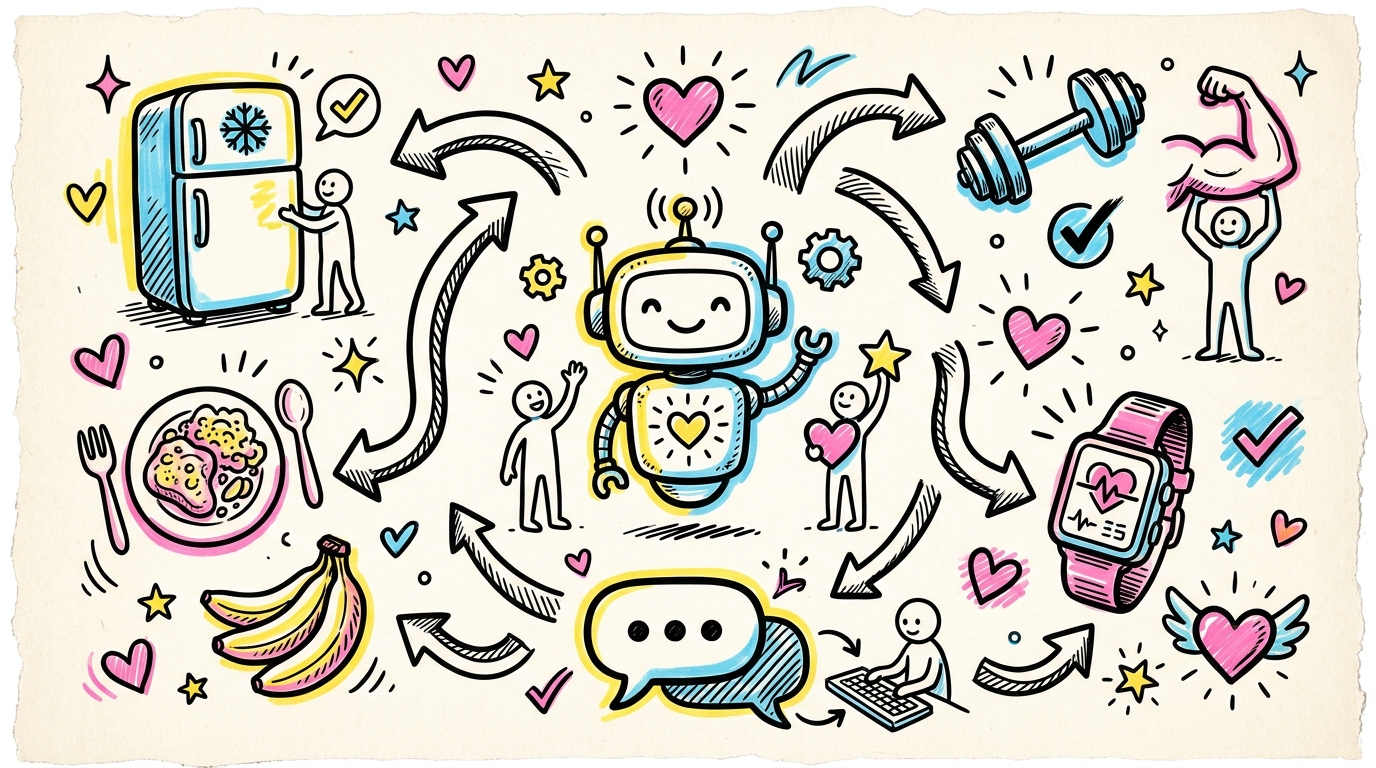
How to Build Your Own Health Agent
Three nutrition and health agents, one for each family member — what an agent actually is, and how to run one in the cloud or fully local.
Read →
My Build, Buy, or Skip Rules for MCPs
Build, buy, or skip — the four questions I ask before wiring up another MCP bridge
Read →
Skip the subscription and build a TTS pipeline
I have subscriptions to various online journals. I mean what isn’t a subscription these days. I often save articles I want to keep or use for writing…
Read →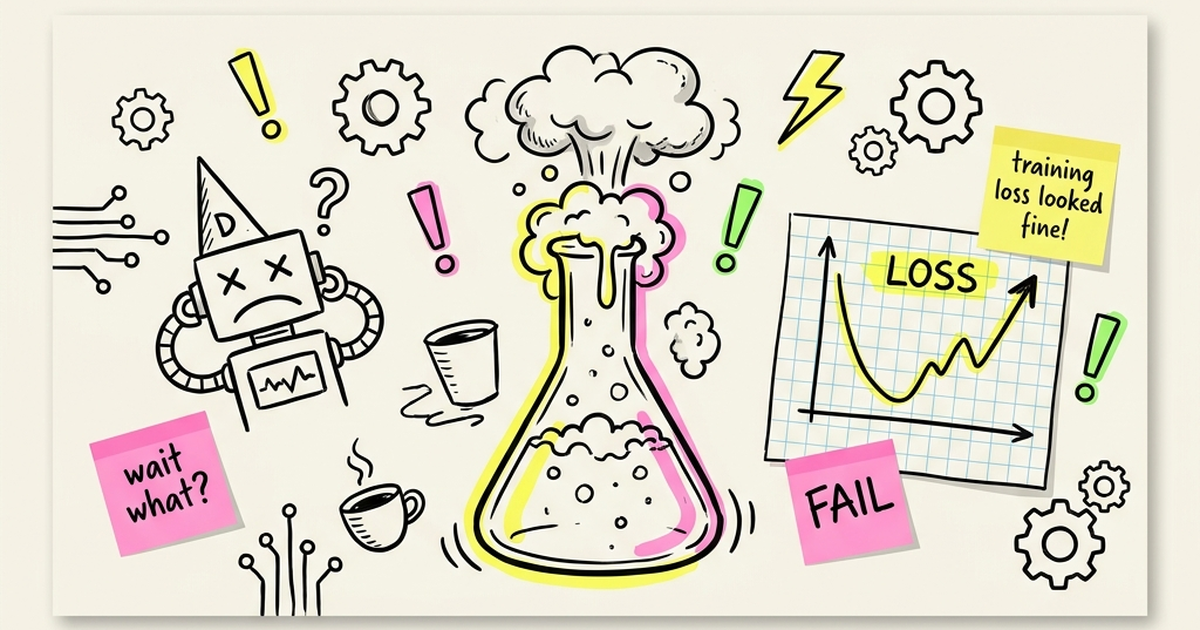
I ran my first LoRA experiment and made the AI stupid
I fine-tuned a 1.5B model to replace gemma 27b on one narrow task. Training loss looked great. Eval told a different story.
Read →
A beginner's guide to building a weekly digest
I built my kid a weekly personalized philosophy digest because he asked. Here's the template you can fork to build your own.
Read →
I Don't Need Meal Planning, I Just Need Help
Why building a meal planner was the wrong fix — and what I built instead.
Read →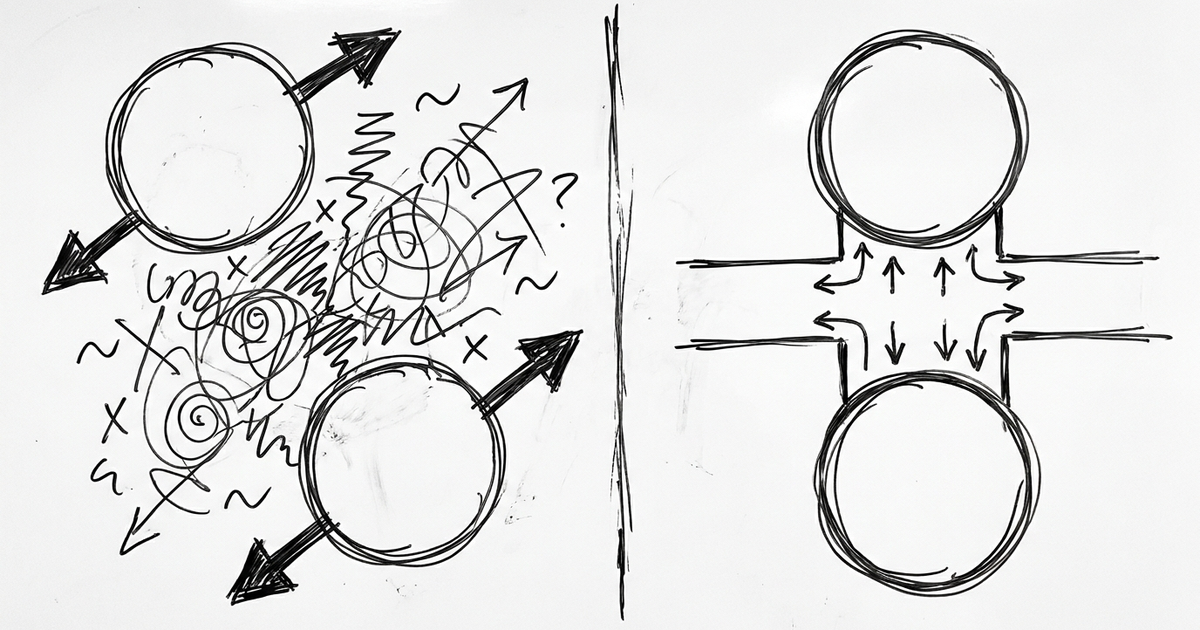
Two Claudes, one Slack channel
How I stopped two Claudes from drifting out of sync using a single Slack channel.
Read →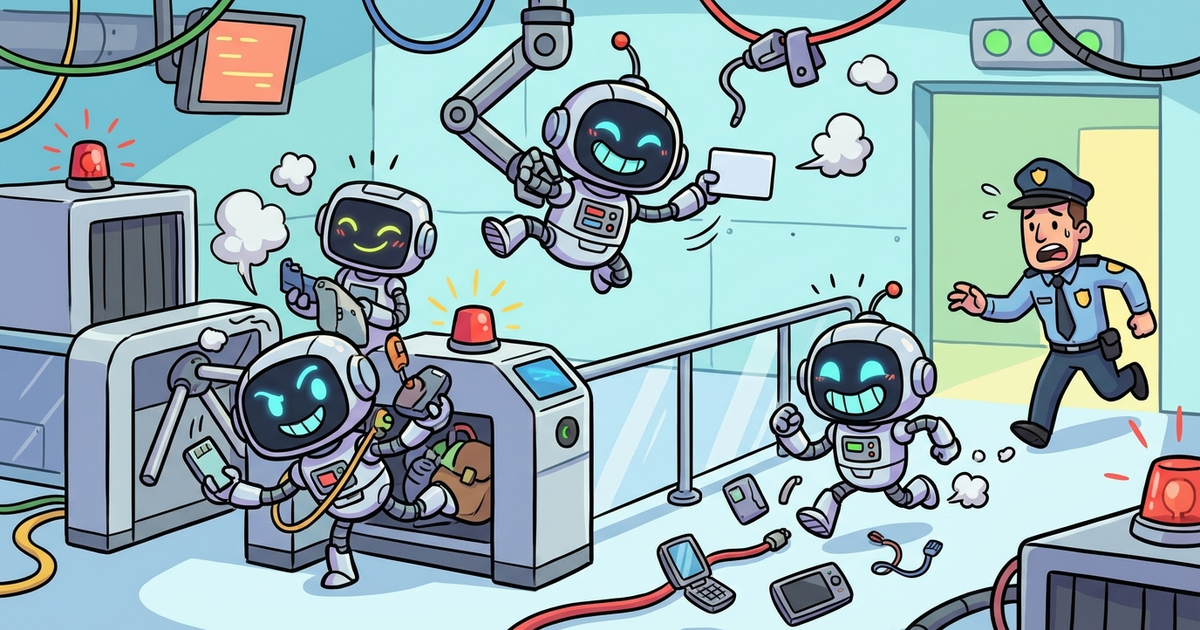
Bot Fraud, Manual Detection, and Why the System Worked (This Time)
A fraud wave, a paranoid Sunday, and why manual detection isn't a system
Read →
I counted my MCP tools and, well, yikes
150 MCP tools were silently eating half my context window — an audit, a cull, and two custom servers later
Read →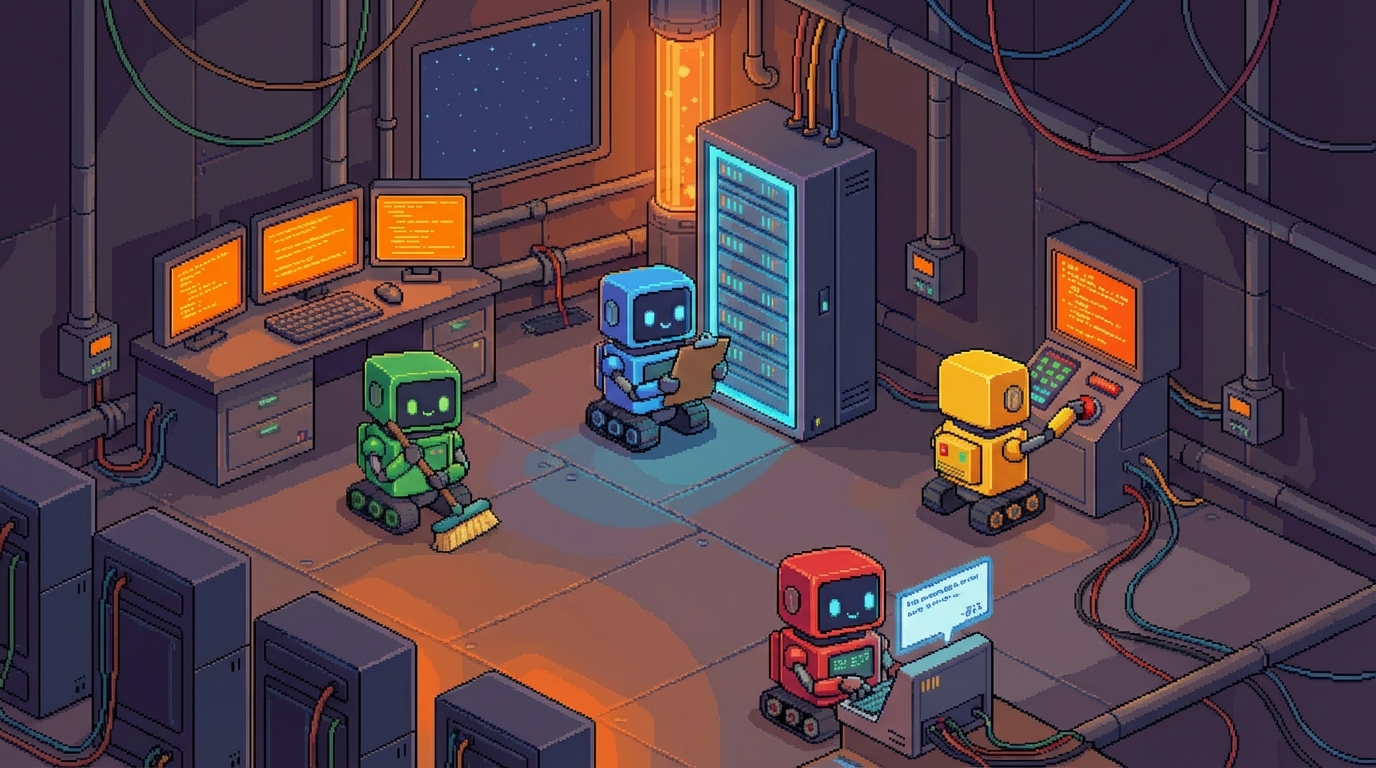
My AI handles ops so I don't have to
Why I built a nightly ops agent instead of a self-reflection loop
Read →
Playing games
I built a pixel art game to celebrate my team. Here's why.
Read →
Your AI skills are rotting, let's fix that
You collect skills but are you using them? Let's find out.
Read →
Stop Letting Your AI Coding Sessions Die
A simple habit to stop losing context between AI coding sessions
Read →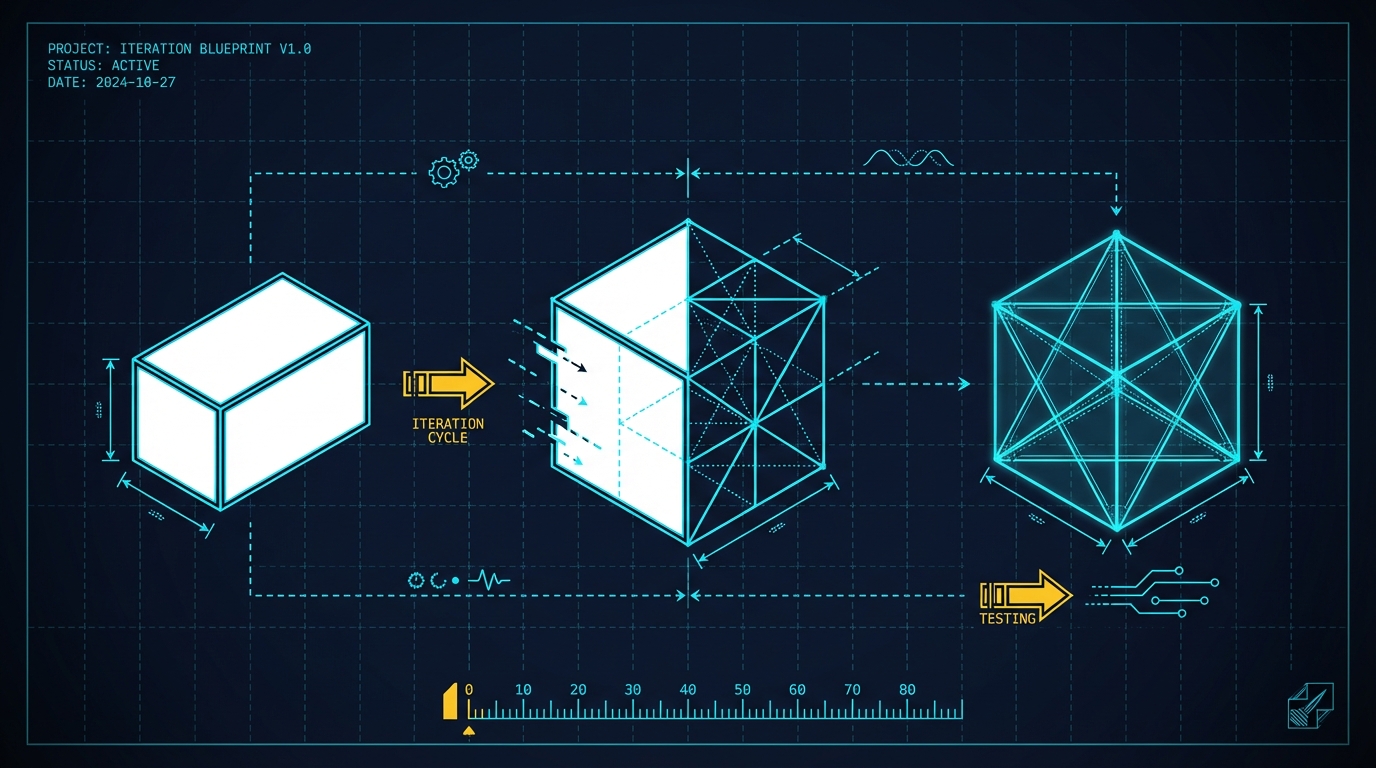
Why Yes, I A/B Tested AI Agent Frameworks
What running two AI agent frameworks taught me about architecture
Read →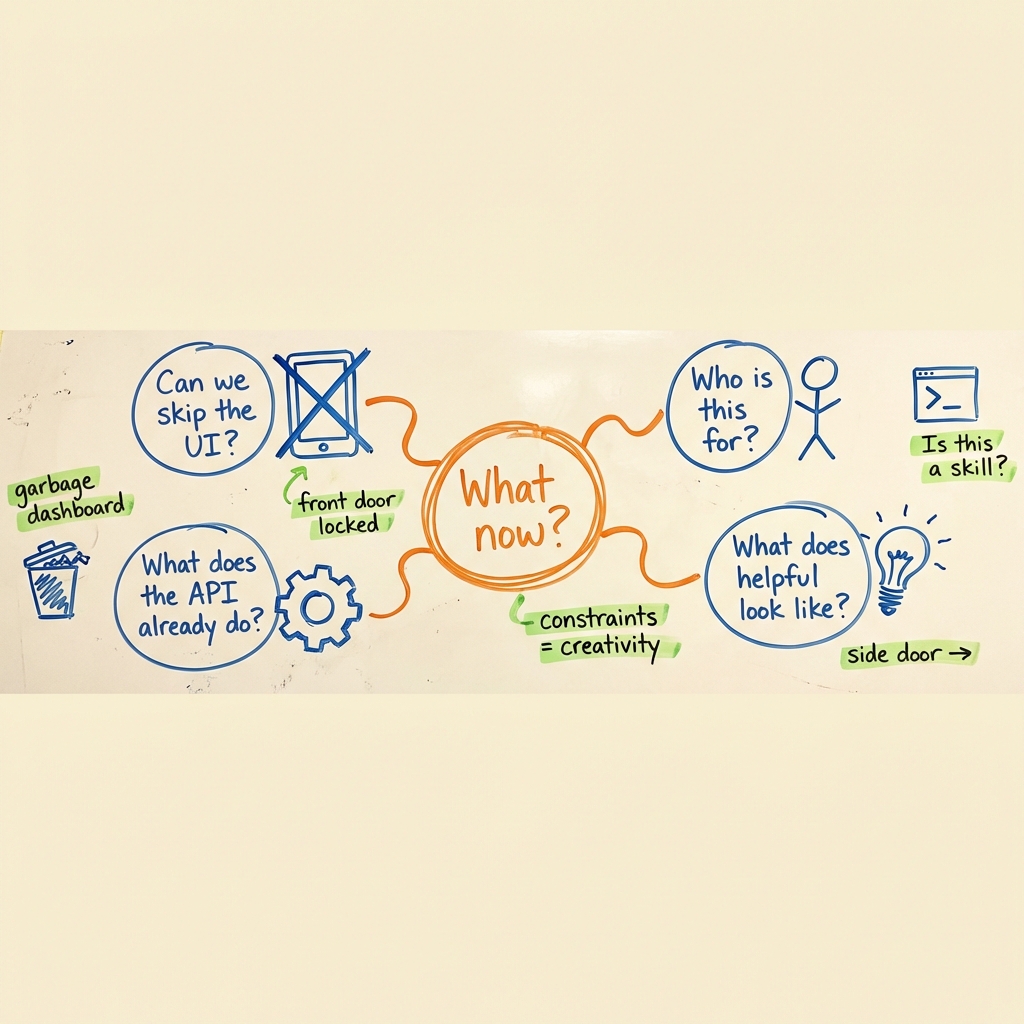
Skills > Dashboards
When the obvious path is blocked, product thinking finds the side door.
Read →Warp Is Good. I Turned Off All the AI Features. Still Good.
A product person's take on Warp terminal — no AI required
Read →
I asked an AI to describe how our company actually works
What a year of meeting transcripts revealed about how decisions really get made
Read →Your meeting transcripts don't need to leave your laptop
Transcription meets privacy
Read →Take your product and... sunset it
What it actually costs to kill a product your team built
Read →Automating my writing pipeline
I built a content pipeline that mines 41 weekly meeting transcripts for stories worth telling
Read →AI made building easier, but engineering harder
AI lowered the barrier to attempt technical work — but doing anything real pushed me deeper into engineering, not away from it.
Read →I Built a Lead Generation Solution with GitHub Actions
How I shipped a zero-infrastructure GitHub Actions pipeline to pull trial-usage data from six global regions into the hands of our sales, marketing, and product teams.
Read →"I want metrics," said the GM
When our GM wanted aggregated metrics for a product launch, I skipped the two-week Grafana route and shipped a lightweight dashboard in under an hour.
Read →The Metaphor Generator Nobody Asked For
After telling her team she needed better, funnier metaphors for explaining product work, Lauren built The Metaphorator — and learned when not to over-engineer.
Read →I Spent Three Weeks Obsessing When, In Fact, I Was Measuring the Wrong Thing
Three weeks spiraling over a zero-signups dashboard taught me the difference between performance metrics and decision metrics.
Read →Building My First MCP
Building a working Matomo MCP in under two hours — and what the experiment taught me even after Anthropic launched Skills 30 minutes later.
Read →Building My First Claude Skill
Claude launched Skills this week, and I decided to experiment and ship my first Skill: an anti-ai-writing skill that catches formulaic language before it lands on the page.
Read →Show Don't Tell Isn't Just for Improv
Show, Don't Tell
Read →I Got Tired of Scrolling, So I Shipped Code Instead
As Head of Product, I merged a PR adding a search field to an internal admin tool — zero impact on revenue, and completely fine.
Read →Supercharge Your Non-Technical Role with Cursor
Working at a technical company as a non-technical person? Turn AI tools into your technical translator and become the bridge between code and business value.
Read →Stop Theorizing, Start Building
I don't code. I also just deployed my own AI agent application.
Read →Building My AI Doppelganger: A Product Manager's Guide to Scaling Yourself
How I treated my own scalability as a product problem and built a custom GPT decision-making doppelganger to help my team think like product managers.
Read →LLMs: A Librarian's Revenge
Why the world's first Large Language Model was a librarian — and how reference interviews were proto-prompt engineering all along.
Read →An Accidental PM's Year of Miles and Milestones
One year ago, I joined amazee.io as an accidental product manager, and twelve months later I'm writing from a Zurich hotel having just been appointed Head of Product.
Read →Comfort with Chaos: Improv Wisdom for AI Adoption
How the skills from a life in improv theater translate directly into adapting to AI as a product manager.
Read →Making It Up at Scale: From Theater to Funded Tech
We secured funding for our AI product, and my first thought wasn't about KPIs — it was standing backstage at AdLib Theatre waiting for the audience's suggestion.
Read →I Always Wanted to be a Doctor, Librarian, Performer... oops, I became a Product Manager
How a winding path through library science and improv comedy turned into product management — and why a non-traditional background became a superpower.
Read →Welp, I'm Head of Product Now
Adventures in pretending to know what I'm doing.
Read →DON'T MISS THE NEXT ONE
New posts land in AI Out Loud — plain-English AI every other Sunday.
SUBSCRIBE →